

World Interventional Radiology Day January 16th
On January 16th 1964 Dr. Charles Dotter performed the first x-ray guided angioplasty procedure, saving a patient from amputation and signalling the birth of the medical specialty that is now interventional radiology.
Interventional radiology (IR) is a medical specialty that uses medical imaging—such as X-rays, ultrasound, CT scans, and MRI—to guide minimally invasive procedures which in many cases can replace traditional open surgery.
Interventional radiology
Interventional radiology is used to manage a wide range of conditions, including:
- blocked arteries
- cancerous tumours
- internal bleeding
- kidney and liver disease
- uterine fibroids
- prostate disease
- stroke
Because procedures are minimally invasive, patients typically experience less pain, minimal scarring, and shorter recovery times. Interventional radiology procedures are usually performed with local anaesthesia or mild sedation, making them safer for patients who may not tolerate general anaesthesia well.
Interventional radiology offers cost-effective, safe, and patient-centred treatment options across an array of conditions but is under-recognised.
World Interventional Radiology Day for the unsung heroes of the hospital who you may not meet until you need them!

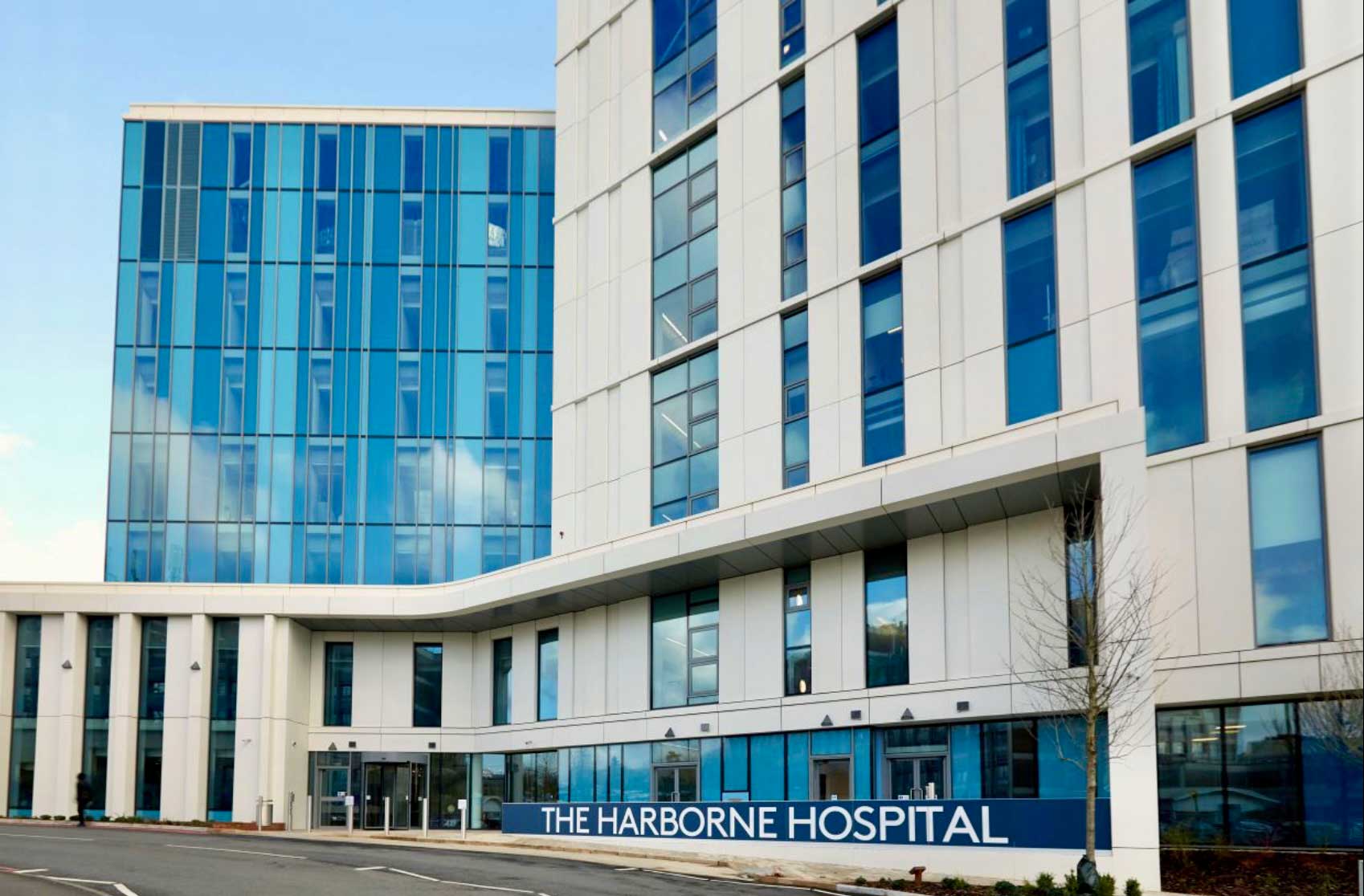
Uterine fibroid embolisation (UFE) at The Harborne Hospital
Dr. Crowe and his team can now offer uterine fibroid embolisation at The Harborne Hospital, the Midlands’ newest private hospital in Edgbaston, Birmingham.
New Location
With state of the art scanning and theatre facilities and the ambiance of a 5 star hotel a safe and comfortable procedure and recovery is assured.
The hospital is part of the HCA Healthcare UK group of hospitals and is recognised by all major insurance companies.

July is Fibroid Awareness Month
Fibroid Awareness Month
July marks Fibroid Awareness Month, dedicated to raising visibility and understanding of uterine fibroids, the most common benign or non-cancerous tumours of the uterus that may be present in up to 50% of women by age 50 though in most cases not requiring any specific treatment or surgery.
Fibroids may cause heavy periods that can be debilitating, may result in pain or bulk and pressure symptoms such as bladder pressure symptoms and urinary frequency. The may also be associated with fertility issues including recurrent miscarriages. There may be a family history of uterine fibroids and there are ethnic differences with black African and Caribbean populations having a significantly higher incidence.
While medications may manage and control some of the symptoms and associated heavy periods hysterectomy remains the most common surgery performed for uterine fibroids. Uterine artery embolisation (UAE) also know and Uterine fibroid embolisation (UFE) as offered by Dr. Crowe in Birmingham and London is a minimally invasive option which aims to shrink rather than physically remove the fibroids by depriving them of a blood supply. The procedure can preserve future fertility and allows early return to work and to normal activities.